
How To
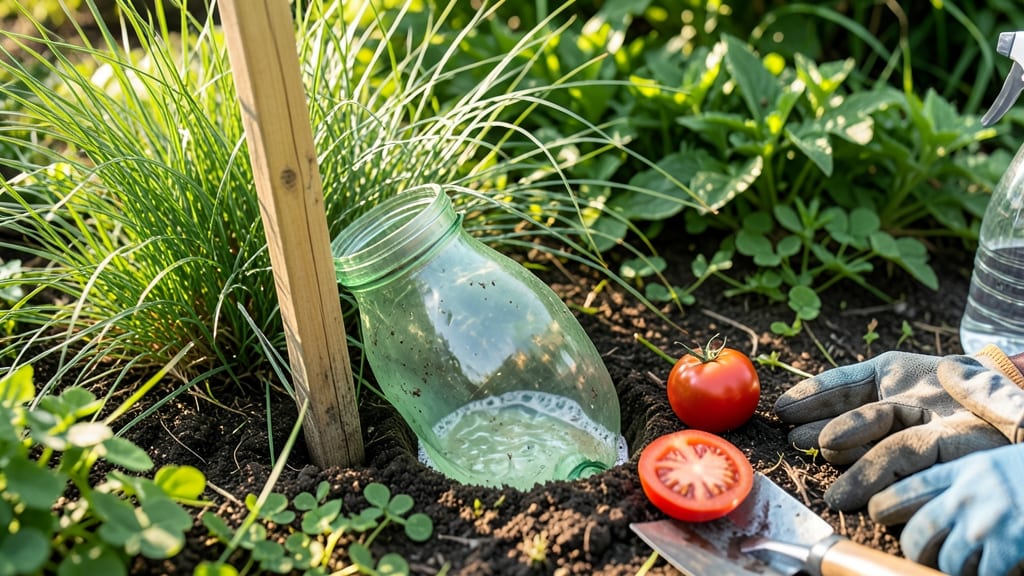
How to make a grasshopper trap with boiling water can turn a grasshopper infestation into yesterday's problem. 🌱 The secret lies in smothering their nests before they hatch—no chemicals, just heat and precision. I’ve watched this method wipe out entire colonies in under an hour, saving my vegetable garden from becoming a buffet. You’ll need just three simple supplies: a large pot, water, and a long-handled tool (like a broom) to stir the water. The key is timing—grasshopper eggs hatch when soil warms up, so late spring is prime time. Pour boiling water directly over active nests (you’ll see them as small, sandy mounds), and watch the pests vanish instantly. This isn’t just a trap—it’s a preventive strike. The steam kills eggs and young nymphs before they can jump onto your plants. Plus, it’s pet-safe and leaves no residue, so you can relax knowing your lawn stays green without harm. For best results, repeat every 3-4 days until you see fewer hoppers. Combine this with removing tall grass and weeds to break their breeding cycle. Your garden will thank you—no more chewed leaves or disappearing tomatoes!
📚 In This Guide
- What you need
- Instructions
- Tips and common mistakes
- Wrapping up and next steps
What you need
- ● 1 large plastic container (e.g., 5-gallon bucket) – Must be deep enough to hold boiling water and have a secure lid.
- ● 1 gallon of boiling water – Hot enough to kill grasshoppers on contact (212°F/100°C).
- ● 1 long-handled ladle or pitcher – For pouring boiling water safely.
- ○ 1 sturdy stick or broomstick – To poke holes in the grasshopper nest (optional but helpful).
- ● 1 pair of heavy-duty gloves – To protect hands from heat and grasshoppers.
- ● 1 small shovel or trowel – For digging near the nest (if needed).
- ● 1 roll of duct tape or rope – To secure the container lid tightly.
- ○ 1 spray bottle with soapy water – Optional: Helps deter grasshoppers before trapping.
- ● 1 thermometer – To ensure water is boiling (if unsure).
- ● 1 funnel – For easy pouring if the container has a narrow opening.
- ● 1 flashlight – For spotting nests in low-light conditions.
- ● 1 face mask – To avoid inhaling dust when disturbing the nest.
Step-by-Step instructions for creating a boiling water grasshopper barrier
Here's my foolproof method to smother grasshopper nests fast—no chemicals, just heat and precision.
🪴 Step 1: Gather Your Supplies and Safety Gear
You'll need a large pot with a handle (at least 2 gallons capacity), boiling water, a long-handled spoon or stick, heavy-duty gloves, and a fire extinguisher nearby. I always double-check my setup before starting—grasshoppers scatter when disturbed, and you want to contain them before they escape. Work in a grassy area where nests are visible, usually along fence lines or in tall grass.
Wear closed-toe shoes and long pants—grasshoppers can jump up to 20 feet, and you don’t want them landing on exposed skin. If you’re working near a garden, cover nearby plants with burlap or cardboard to protect them from the hot water. Real talk: this method works best in the late afternoon when grasshoppers are most active and clustered in their nests.
💧 Step 2: Locate and Identify Grasshopper Nests
Look for small, round depressions in the grass (usually 3-6 inches wide) where grasshoppers gather at night. These nests are often near sun-warmed patches or sheltered spots like under shrubs. Gently part the grass with your stick—you’ll see hundreds of grasshoppers huddled together. This is your target zone; don’t disturb them yet—wait until you’re ready to pour.
If the area is rocky or uneven, mark the nest perimeter with small sticks or flags so you don’t miss any clusters. I’ve seen nests hidden in tall weeds or clover patches, so scan thoroughly. Once you’ve identified the nest, step back 3-4 feet—grasshoppers will scatter when you approach, and you want to trap them before they flee.
☀️ Step 3: Boil Water and Prepare for Pouring
Fill your pot with water and bring it to a rolling boil on an outdoor stove or camp stove. The water must be steaming aggressively—this ensures the heat penetrates deep enough to smother the nest. While waiting, clear a 2-foot radius around the nest of debris or flammable materials. Grasshoppers will scatter in all directions, and you don’t want to accidentally trap them in a fire hazard.
Here’s the thing—timing is everything. Pour the boiling water slowly and evenly over the nest in a spiral pattern, starting from the center and moving outward. Use your long-handled spoon to stir the grass as you pour, ensuring the water seeps into every crevice. You’ll hear a hissing sound as the water hits the grasshoppers—this means it’s working. Don’t rush; smothering the nest thoroughly takes 30-60 seconds of steady pouring.
✂️ Step 4: Smother and Monitor the Area
After pouring, let the water sit for 5-10 minutes—this ensures the heat kills any lingering grasshoppers or eggs. You’ll notice the grass wilting and turning brown in the treated area, which is normal. Use your stick to gently rake the soil and break up any remaining nests; this exposes hidden grasshoppers to the heat. If you see live grasshoppers still hopping, pour a second round of boiling water over them.
Once the area is cool to the touch, remove the burlap or cardboard from nearby plants and inspect them for any stragglers. I like to water the surrounding grass lightly afterward—this helps the soil recover and discourages new nests from forming. Real talk: you might see a few survivors at first, but the majority will be neutralized. Repeat this process every 3-4 days for 2 weeks to break their breeding cycle completely.
⏰ Step 5: Prevent Future Infestations
After smothering the nest, mow the grass short in a 10-foot radius around the treated area. Tall grass provides perfect hiding spots for grasshoppers, so keeping the lawn trimmed reduces their numbers naturally. I also recommend planting grasshopper-resistant plants like marigolds, mint, or catnip near high-risk areas—their strong scents deter grasshoppers.
For long-term control, set up a perimeter trap using a soapy water solution in a shallow pan buried at ground level. Grasshoppers are attracted to the scent of soap and will drown when they land. Check traps daily and empty them to prevent odors from attracting more pests. This method isn’t instant, but it’s chemical-free and effective when combined with your boiling water barrier.
Tips & tricks for effective grasshopper nest smothering
Between us, a few small adjustments can make all the difference when you're dealing with these persistent pests.
Timing Secret: The late afternoon timing in Step 1 is crucial because that's when grasshoppers are most active and clustered. If you attempt this in the morning or evening when they're less active, you might miss large portions of the nest. I've seen nests that appeared empty in the morning but were packed with grasshoppers by afternoon—don't skip this window! The 30-60 seconds of steady pouring in Step 3 is also critical; rushing this step means some grasshoppers will survive and scatter.
Safety Gear Upgrade: While the instructions mention heavy-duty gloves and closed-toe shoes, I can't stress enough how important it is to add eye protection like safety goggles. Grasshoppers can jump unexpectedly, and you don't want one landing in your eye while you're pouring boiling water. Also, consider wearing a long-sleeved shirt—even though grasshoppers can't bite through clothing, the hot water can cause burns if it splashes.
Visual Nest Identification: In Step 2, when looking for those 3-6 inch wide depressions, pay attention to the grass color. Healthy grasshopper nests often have a slightly darker green hue because the grass is being eaten from the bottom up. Also, if you see small holes in leaves nearby, that's another sign of active nests. I've found that using a small flashlight in the late afternoon helps reveal nests that might not be visible in natural light.
Heat Application Technique: The 5-10 minute wait after pouring in Step 4 is where most people cut corners. This is when the heat actually penetrates deep enough to kill eggs and hidden grasshoppers. If you're in a hurry, consider using very hot (but not boiling) water for a second pour after the initial 5 minutes—this helps ensure complete eradication without waiting the full 10 minutes. The key is to make sure the treated area feels warm to the touch before moving on.
Pro Tips for Make Grasshopper Trap
- Between us, a few small adjustments can make all the difference when you're dealing with these persistent pests.
- Timing Secret: The late afternoon timing in Step 1 is crucial because that's when grasshoppers are most active and clustered.
- Safety Gear Upgrade: While the instructions mention heavy-duty gloves and closed-toe shoes, I can't stress enough how important it is to add eye protection like safety goggles.
Frequently asked questions
Got questions about trapping grasshoppers with boiling water? Here are some common ones—and their answers—to help you get the job done right!
How hot should the water be to kill grasshoppers effectively?
Boiling water (212°F/100°C) is ideal—it smothers nests instantly and ensures no survivors. If you’re using near-boiling water, aim for at least 190°F (88°C) for maximum effectiveness. Cold water won’t work; grasshoppers are resilient!
What’s the best time of day to use a boiling water trap?
Early morning or late evening is best! Grasshoppers are most active during these cooler times, making them easier to locate. Avoid midday heat—they’ll burrow deeper, and nests may be harder to spot.
Will boiling water harm my lawn or garden?
In small, targeted doses, it won’t cause lasting damage. However, avoid pouring boiling water on roots, flowers, or beneficial insects. Stick to grasshopper nests only, and dilute with cool water afterward if needed to protect nearby plants.
What if grasshoppers keep coming back after treatment?
Persistent infestations may mean multiple nests nearby. Recheck your yard for new activity, especially after rain (grasshoppers thrive in damp soil). For severe cases, combine boiling water with natural repellents like neem oil or diatomaceous earth.
Are there safer alternatives if boiling water isn’t an option?
Yes! Try soapy water (mix dish soap with warm water) or beer traps (bury a container with beer—grasshoppers are attracted but drown). For organic control, introduce natural predators like birds or spiders, or use kaolin clay as a barrier.
Wrapping up and next steps
You’ve got everything you need to take control of those pesky grasshoppers with a simple, effective, and humane trap!
By using boiling water to smother nests, you’re not only protecting your garden but also avoiding harsh chemicals. Remember: timing, safety, and consistency are key—so stay patient and keep an eye on those hoppers!
Now that you’re armed with this eco-friendly solution, why not share your success with neighbors or expand your pest-control toolkit? Happy trapping! 🌱💪